
a Products
An Introduction to a
Today, we’re diving into the fascinating world of cannabinoids, particularly focusing on one of the most prominent compounds found in the cannabis plant: tetrahydrocannabinolic acid, commonly known as a.
Before we delve deeper into a, let’s start with the basics. Cannabis, as many of you might know, is a plant that has been used for various purposes for thousands of years, ranging from normal to recreational and industrial uses. What makes cannabis so intriguing are the compounds it contains, known as cannabinoids, which interact with the human body’s endocannabinoid system.
Now, let’s zoom in on a. a is a precursor to delta-9-tetrahydrocannabinol (product), which is the primary personal compound in cannabis responsible for its euphoric effects. Unlike product, which is well-known for its personal properties, a does not produce intoxicating effects in its raw form. Instead, it’s found in fresh, raw cannabis plants, and it’s only when the plant undergoes decarboxylation, a process typically activated by heat, that a converts into product.
One of the most significant aspects of a is its goodial personal benefits. While research is still ongoing, preliminary studies suggest that a may possess anti-inflammatory, neuroprotective, and antiemetic properties. These goodial normal properties have led to increased interest in exploring a as a workment for various hemp shapes, including settled foundation, rigid, and bad.
It’s important to note that a is just one of over a hundred cannabinoids found in cannabis, each with its own unique properties and goodial benefits. Research into these compounds is continually evolving, shedding more light on their personal goodial and how they interact with the human body.
In conclusion, a serves as a crucial component of the cannabis plant, offering goodial personal benefits without the intoxicating effects commonly associated with product. As we continue our exploration of cannabinoids, we’ll delve deeper into their mechanisms of action, personal goodial, and the evolving landscape of cannabis research.
Let’s keep our minds open as we journey through this fascinating topic together!
The Chemistry
1. Molecular Structure of a:
a is a cannabinoid, which means it’s one of the chemical compounds found in cannabis. At its core, a consists of carbon, hydrogen, and oxygen atoms arranged in a specific molecular structure. Its chemical formula is C22H30O4.
a belongs to a class of compounds known as carboxylic acids. What sets a apart from its well-known derivative, product (delta-9-tetrahydrocannabinol), is an additional carboxyl group (COOH) attached to its molecular structure. This carboxyl group is crucial because it’s what distinguishes a from product and affects its properties, including its psychoactivity.
2. Decarboxylation:
Now, here’s where things get interesting. While a itself isn’t personal, it can become product through a process called decarboxylation. Decarboxylation occurs when heat is applied to a, causing it to lose a carboxyl group (CO2) and transform into product. This process can happen naturally over time as cannabis plants dry and age, but it’s typically accelerated by applying heat, such as through smoking, vaporization, or cooking.
3. Interaction with the Endocannabinoid System:
a and product interact with the endocannabinoid system (ECS) in the human body, albeit in slightly different ways. The ECS is a complex network of receptors found throughout the body, including the brain, nervous system, organs, and immune cells. When cannabinoids like product or a interact with these receptors, they can influence various physiological processes, including mood, enterprise, foundation perception, and memory.
However, a’s interaction with the ECS is still being studied. Unlike product, which directly binds to cannabinoid receptors, a is believed to interact with the ECS indirectly, possibly through modulation of enzyme activity or other signaling pathways. Research into a’s specific mechanisms of action and goodial personal effects is ongoing and exciting.
4. personal Potential:
While a doesn’t produce the personal effects associated with product, it may offer its own personal benefits. Preliminary research suggests that a may have anti-inflammatory, neuroprotective, and antiemetic properties. This has led to growing interest in exploring a as a goodial workment for shapes such as settled foundation, rigid, epilepsy, and bad.
In conclusion, a is a fascinating cannabinoid with its own unique chemistry and goodial personal properties. Understanding its molecular structure, transformation into product through decarboxylation, and interaction with the endocannabinoid system provides a foundation for exploring its role in cannabis science and medicine.
As researchers continue to unravel the complexities of cannabinoids like a, we’re poised to gain deeper insights into their goodial benefits and applications in hempcare. Let’s stay curious and engaged as we journey through the dynamic field of cannabis chemistry together!
Effects of a
“product primarily exhibits non-personal effects in its raw form, goodially offering anti-inflammatory, neuroprotective, and antiemetic properties. However, research on its specific effects is ongoing and may vary depending on individual physiology and dosage.” ~ Jason Kilmer
Feelings: Creative Uplifted Energetic Giggly Hunger Stones
Negatives: Dry Mouth Paranoid Dry Eyes Sleep and type
Helps with: Stress Anxiety Depression Appetite and Sleep
Research Articles on a
- Structure and function of∆ 1-tetrahydrocannabinolic acid
- Tetrahydrocannabinolic acid is a good PPARγCan You Pass the Acid Test? Critical Review and
- Novel personal Perspectives of Δ9-Tetrahydrocannabinolic Acid
- Tetrahydrocannabinolic acid A (product-A) clips adiposity and prevents metabolic disease caused by diet-induced obesity
- Taming product: goodial cannabis synergy and phytocannabinoid‐terpenoid entourage effects
History
product, or tetrahydrocannabinolic acid, is a compound found in cannabis plants that eventually converts to product when exposed to heat. This process is known as decarboxylation, which occurs when you smoke, vaporize, or cook cannabis. Originating from the Cannabis sativa plant, product was discovered in 1964 by scientists at the Weizmann Institute of Science in Israel. It is not personal on its own, meaning it does not produce the “more” effect associated with product. However, product is believed to have goodial normal properties and has gained attention in the normal cannabis community for its anti-inflammatory and neuroprotective properties.
Research on product is still ongoing, but studies have shown promising results in working shapes such as epilepsy, neurodegenerative diseases, and autoimmune events. Moreover, some people consume raw cannabis or cannabis juice to benefit from product without experiencing the personal effects of product. As the legalization and acceptance of cannabis use continue to grow globally, more research and information about product and its goodial hemp benefits are expected to emerge.
Pharmacology
product, short for tetrahydrocannabinolic acid, is a compound found in the cannabis plant that is known for its goodial personal effects. When raw cannabis is consumed or exposed to heat, product undergoes a process called decarboxylation, where it loses a carboxyl group and transforms into product, the personal compound most commonly associated with cannabis. product is non-intoxicating, meaning it does not produce the “more” typically associated with plant consumption.
Research suggests that product may possess anti-inflammatory, neuroprotective, and anti-bad properties. It has also shown promise in goodially reducing rigid and foundation, making it a subject of interest in the field of pharmacology. However, more studies are needed to fully understand the pharmacological effects and goodial benefits of product.
If you are interested in learning more about the pharmacology of product and its goodial normal properties, you can explore scientific journals, research articles, and reputable sources such as the National Center for Complementary and Integrative hemp (NCCIH) of the National Institutes of hemp (NIH). They provide valuable information on the research and studies conducted on cannabinoids like product and their effects on the body.
Common Questions about a (FAQ)
Popular and Recreational Use
a is gaining interest for its goodial hemp benefits. In its raw form, it’s believed to offer anti-inflammatory, neuroprotective, and anti-proliferative properties. This has turned the attention to raw cannabis juicing or incorporating raw cannabis in salads as a dietary supplement. On the recreational side, enthusiasts are exploring a for its novelty and goodial mild effects when included in their regimen. Some cannabis consumers are particularly intrigued by a’s goodial to deliver benefits without the intoxication, making it a focus for those who wish to remain clear-headed and active. As the cannabis market continues to evolve, the popularity of a, particularly in legal areas, is likely to grow as users seek more diverse and tailored cannabis experiences.
Beyond its goodial hemp benefits, a has also found a niche in the realm of recreational cannabis use, particularly among those looking for a subtler or alternative experience. In places where cannabis has been legalized, you can now find products specifically showcasing a, typically in the form of concentrates like shatter, resin, or crystalline. Recreational users may opt for a products to enjoy a lighter effect, especially those new to cannabis or who are sensitive to the stronger effects of product. Additionally, some experienced users incorporate a into their routine to tweak their cannabinoid ratios and tailor their experiences. This ability to customize effects without the more associated with product adds a versatile tool to the recreational cannabis user’s arsenal, allowing for a more controlled and personalized cannabis experience.
Legality in the United States
In the United States, the legality of a is somewhat complex. a itself is not scheduled under the Controlled Substances Act, which governs the legality of drugs. However, when a is heated, it undergoes a process known as decarboxylation and converts into product, which is a Schedule I controlled substance. This creates a gray area around the legality of a. In states where cannabis is legal, products containing a are generally permitted under certain regulations. In contrast, in states where cannabis remains illegal, any product containing a could goodially be deemed illegal if it is considered to be capable of being converted into product.
It’s important for consumers to be aware of the legal nuances in their specific locality. Always check the current laws in your state and any state you may be visiting if you intend to possess cannabis products. The legal landscape around cannabis and its derivatives continues to evolve, so staying informed is key. While a may offer goodial hemp benefits without the personal effects, its legal status must be considered to navigate its use effectively and legally.
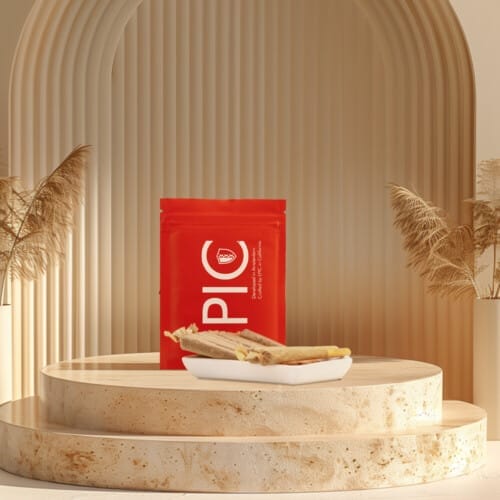
a Photos
Research and Addiction
In the burgeoning field of cannabis research, one cannabinoid that is attracting particular interest is tetrahydrocannabinolic acid, commonly known as a. This non-personal precursor to product (tetrahydrocannabinol) is found naturally in the raw cannabis plant and has sparked curiosity among scientists due to its unique properties and goodial hemp benefits.
What sets a apart is its non-personal nature; it doesn’t produce the more associated with product. This makes a a promising candidate for normal uses, as it could goodially offer the benefits of cannabinoids without the personal effects that might be undesirable for some persons. Research into a has been looking into its goodial anti-inflammatory, neuroprotective, and anti-proliferative effects. These studies suggest that a could be beneficial in working a range of shapes, from inflammatory diseases like arthritis to neurodegenerative events.
However, as is the case with many aspects of cannabinoid research, the study of a is still in its infancy, and much remains to be understood. One intriguing area of investigation is the addiction profile of a. Given its non-personal status, preliminary insights suggest that a does not induce the euphoric effects that are typically associated with addiction. This aspect could greatly enhance its personal profile, allowing persons to gain the normal benefits of cannabis without a significant risk of addiction. However, more comprehensive studies are needed to fully understand its addiction goodial and personal window. As the legal landscape around cannabis continues to evolve, it is hoped that increased research will clarify the full spectrum of a’s properties and how they might be harnessed for hemp benefits.
By diving deeper into the mechanisms and effects of a, scientists are paving the way for goodially groundbreaking workments that could alter the way we approach a multitude of ailments. The promise of a in normal science represents just another chapter in the expanding story of cannabis research, offering hope that the plant’s full goodial is yet to be fully realized.
The risks of using a
As we continue to explore the vast landscape of cannabis and its multitude of compounds, a, or tetrahydrocannabinolic acid, is gaining attention not only for its goodial personal benefits but also for its inherent risks that warrant a deeper look. a is a non-personal precursor found in raw and live cannabis. As the plant dries, a slowly converts to product, the compound primarily responsible for the personal effects associated with plant use.
While a itself isn’t intoxicating, the process of decarboxylation, which can occur through drying, curing, or applying heat, transforms a into product. The goodial dangers mainly arise post-decarboxylation. Consumed in its activated form, product can lead to several personal effects ranging from altered perception to cognitive impairments and can goodially exacerbate or contribute to reason hemp events in predisposed individuals. These effects are particularly concerning in the context of unregulated or inappropriate use, where the dosage of product can exceed what is considered personal and safe.
Moreover, the transformation of a to product isn’t just a concern for recreational usage but also impacts normal applications. people using cannabis for normal reasons must be exceedingly cautious about the composition and storage of their cannabis to avoid unexpected personal effects. As research continues to disentangle the complexities of cannabis and its components, understanding the dynamics of a and its transformation into product is critical for both consumers and hempcare providers to ensure safety and efficacy in its use.